
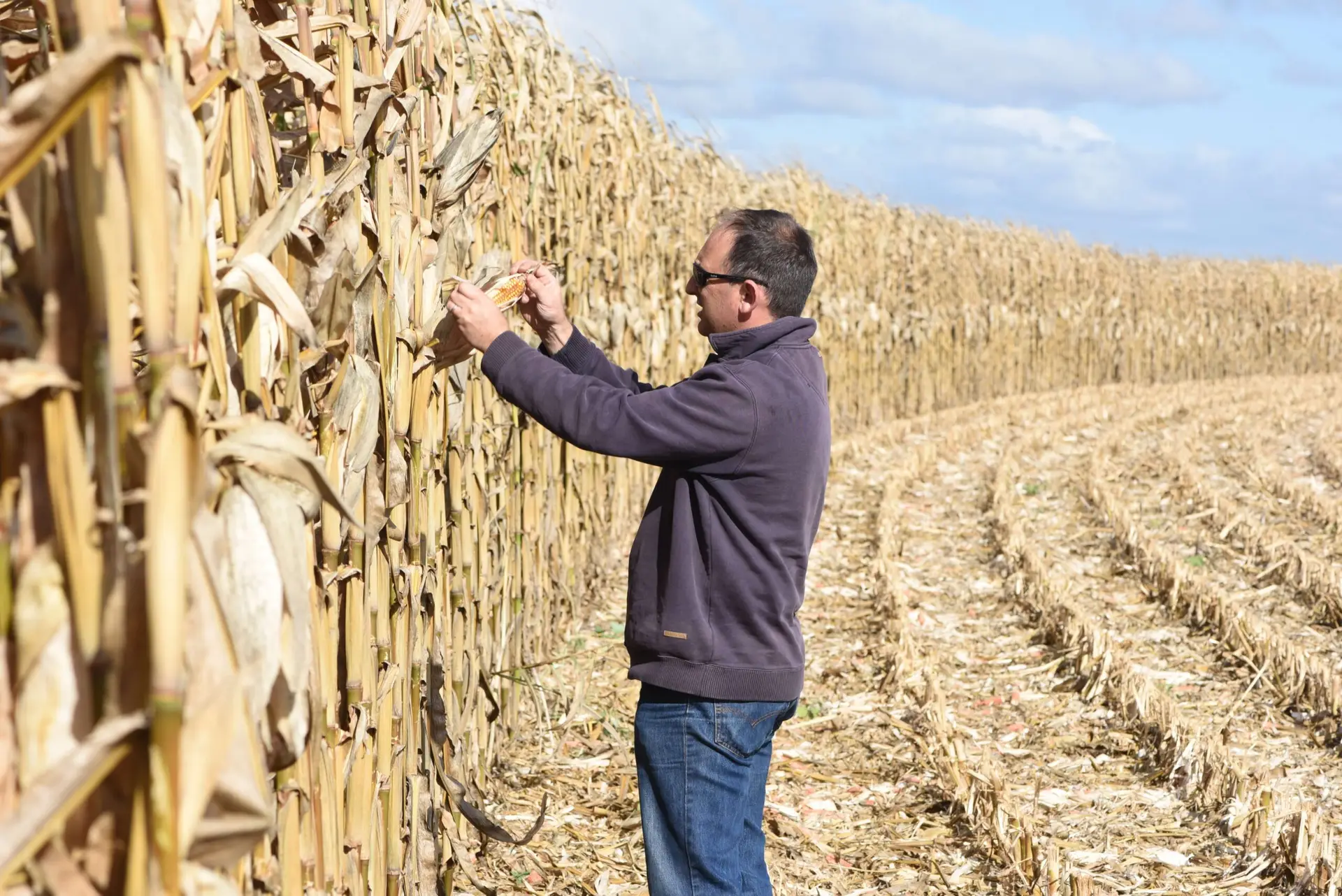


An innovative technique to collect, preserve and apply pollen to agricultural crops will assist companies with seed production and other agricultural crops to enhance yields.
Power Pollen has been operating in the United States and focuses on using pollen to improve seed and grain production and increase productivity.
The founders came from backgrounds in plant breeding and engineering and developed techniques to harvest pollen and apply it at optimal times to benefit grain yield.
Power Pollen Australasia, led by Jason Scott has the exclusive rights to this technology in Australia and New Zealand.
Mr Scott has a background in seed, grain and distribution and said the technology was a new frontier in crop research to preserve and enhance yields.
“Ideal pollination is fundamental for grain yields but can be very inefficient,” he said. “There is a short window for reproduction, and the process relies on wind, insects and favourable environmental conditions to disperse pollen.
“As a result, crops often do not reach their potential. This inefficiency limits genetic diversity as well as the flexibility needed to make in season growing decisions to ensure adequate yield and return on investment.
He said this was particularly evident with hybrid seed production, where rows of male and female inbred lines are planted alongside each other.
“In these scenarios, pollen needs to be released by the male plants and received by the female plants in a window to maximise productivity.”
“Getting that timing correct can be challenging and Power Pollen techniques will assist seed producers harvest and apply pollen at critical times for the crops’ development.”
Mr Scott said research in the United States has shown increases in hybrid corn production yields of up to 44 per cent.
“Typically corn pollen sheds over a two-to-three-hour window and is viable for less than an hour,” he said. “By harvesting an area for the pollen on a certain day and applying it later in the process, we are taking out some of the environmental variations.”
“Increased yields have a flow-on effect to farming communities, with companies potentially producing more seed and filling orders with in-demand hybrids.”
He said in the case of corn, the machinery collects pollen from the tassel and preserves it before being applied.
“The preservation techniques are very good, with one example of pollen applied successfully five years after being collected.”
Seed production is the initial target for the technology in Australasia to help companies maximise their yields.
“There are opportunities in corn, canola, sorghum and other crops in the broadacre space and the company is also looking at horticultural markets.”
The United States have expanded beyond seed production, to farmers applying pollen to enhance a particular end use.
A system called “On Demand Pollination” has allowed farmers to utilise pollen from a high oil hybrid on their fields to maximise ethanol production.
Mr Scott said the technology is multi-faceted and includes the machinery to collect and apply the pollen from, and to, the crops as well as software to accurately predict the best timings.
“Pollen Planner is proprietary software using uniquely developed algorithms,” he said. “In the case of corn production, it predicts pollen shed, silk receptivity and the resultant crop’s yield.”
Mr Scott said the company was working with scientists, engineers and agronomists, and leveraging experience in commercial seed production to collect pollen at precisely the right time and then preserve it for on demand application.
“This is innovative technology, proven over a decade in the United States, that will produce benefits for seed and grain production in Australia and New Zealand.”
“Much has been done to improve plant genetics and agronomic growing techniques, but pollination is a step in the process which is critical but often overlooked.”
“This technology will initially have major benefits for seed companies in a range of crops and then opportunities to expand yields for farmers,” Mr Scott said.
For further information Jason Scott can be contacted on 0447 717 020.